Featured

Table of Contents
1 Soomin Ryu, Lu Fan, "The Relationship In Between Financial Worries and Mental Distress Amongst U.S. Adults," Feb. 1, 2022. This short article has actually been prepared without consideration of a person's investment objectives, danger tolerance or monetary circumstances. The product or services highlighted are concepts only. Before a Monetary Consultant makes a suggestion of any of these recommended concepts, the Financial Consultant should (i) have an affordable basis for such a recommendation, (ii) take into consideration the client's essential realities to guarantee it is proper for the customer and (iii) prompt customers to consult their individual tax and/or legal consultant to learn more about any possible tax ramifications that may arise from acting upon a specific recommendation.
There might be a possible tax ramification with a rebalancing technique. Please consult your tax consultant before executing such a technique.
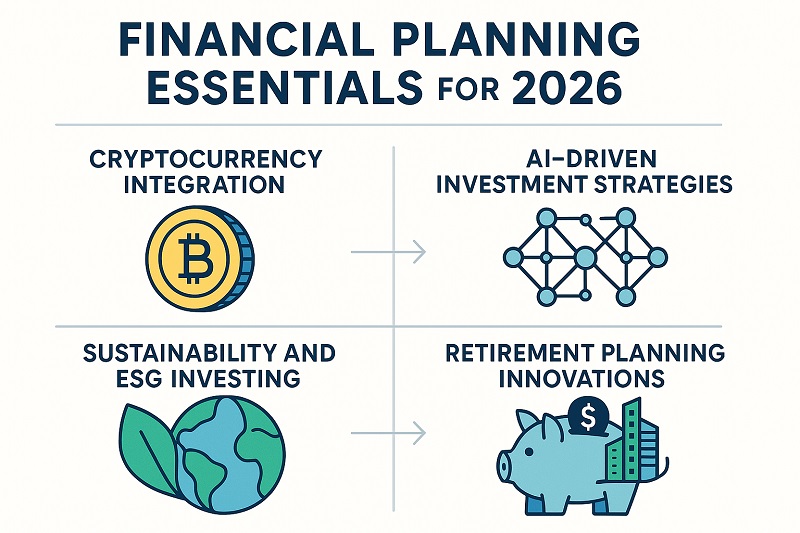
ESG investments in a portfolio might experience performance that is lower or greater than a portfolio not using such practices. Portfolios with ESG restrictions and techniques as well as ESG financial investments might not be able to benefit from the same opportunities or market patterns as portfolios where ESG criteria is not applied.
Particular providers of financial investments might have varying and inconsistent views worrying ESG requirements where the ESG claims made in offering documents or other literature may overstate ESG effect. As an outcome, it is hard to compare ESG investment products or to assess an ESG financial investment product in contrast to one that does not focus on ESG.
Using Mobile Apps for Better Financial Wellness
Past efficiency is not an assurance or a reputable procedure of future results. Insurance coverage items are provided in conjunction with Morgan Stanley Smith Barney LLC's licensed insurance company affiliates. When Morgan Stanley Smith Barney LLC, its affiliates and Morgan Stanley Financial Advisors and Personal Wealth Advisors (jointly, "Morgan Stanley") provide "investment advice" relating to a retirement or well-being benefit strategy account, an individual retirement account or a Coverdell education cost savings account ("Retirement Account"), Morgan Stanley is a "fiduciary" as those terms are specified under the Employee Retirement Earnings Security Act of 1974, as amended ("ERISA"), and/or the Internal Earnings Code of 1986 (the "Code"), as appropriate.
For more details concerning Morgan Stanley's function with respect to a Pension, please see . Tax laws are complicated and subject to change. Morgan Stanley does not supply tax or legal advice. People are encouraged to consult their tax and legal advisors (a) before developing a Pension, and (b) relating to any potential tax, ERISA and associated effects of any financial investments or other transactions made with respect to a Retirement Account.
For 2026, single filers must have a modified adjusted gross income (MAGI) of less than $153,000, and joint filers less than $242,000, to make a full contribution.
You put money into a conventional IRA and avoid the tax reduction. You transform that money to a Roth Individual retirement account right away. If you do this right, whatever grows tax-free from that point forward. Get it wrong, though, and you might end up with a tax bill you weren't expecting.
Comparing the Top Credit Cards for 2026
Because no deduction uses, you produce an after-tax basis inside the account. Second, you convert that contribution to a Roth Individual retirement account. Lots of individuals convert shortly after contributing to limit any taxable growth.
Missing this filing often produces issues that appear years later. The IRS does not treat your conversion as a separated event.
This aggregation rule explains why the backdoor Roth individual retirement account 2026 rules require advance preparation rather than uncertainty. Many high-income Feds encounter this issue after rolling prior employer prepares into IRAs. Tax modeling assists identify whether the conversion creates long-lasting worth or just speeds up taxes. Roth IRAs involve 2 separate five-year clocks.
You can withdraw Roth IRA incomes tax-free only after five tax years and a certifying event, such as reaching age 59. Keep contribution confirmations, conversion dates, and Kind 8606 filings together and accessible.
It fills a different space. The TSP is where most Feds construct the core of their retirement savings, specifically while the company match is on the table. That match comes initially, every time. A Roth IRA solves a various issue. It gives you tax-free development outside the TSP structure and more control over when and how cash is withdrawn later on.
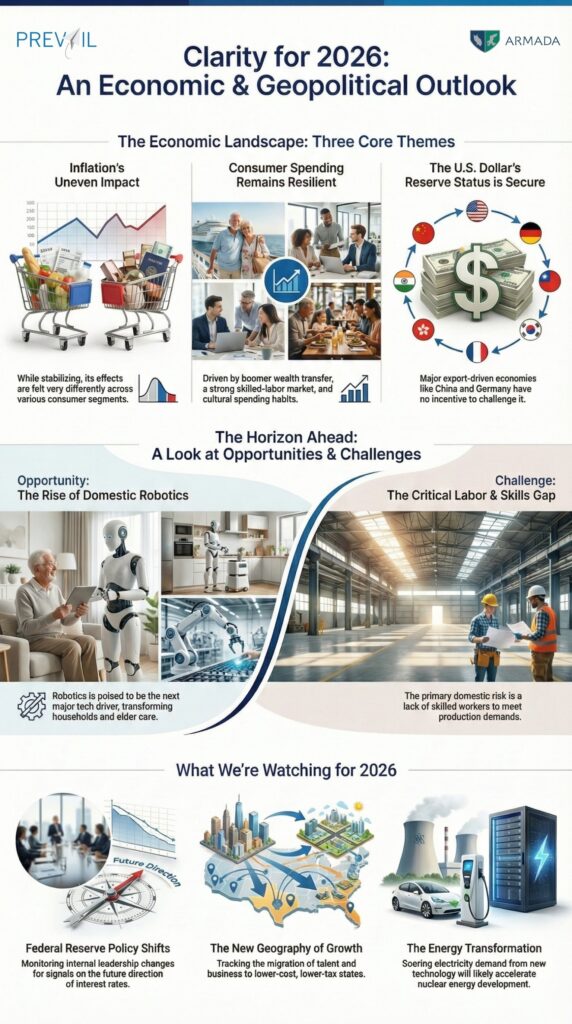
How to Handle Your Finances Better in 2026?
The TSP added in-plan Roth conversions, but they are not automated wins. Converting inside the plan indicates acknowledging income now, which can affect taxes and Medicare expenses for that year. A backdoor Roth tends to work best when several conditions line up, including: You anticipate future tax rates to stay the very same or boost due to a pension, Social Security benefits, and needed minimum circulations.
You can money the IRA without compromising emergency savings or short-term money requirements. A backdoor Roth breaks down when the numbers do not work together. If you already have cash sitting in a pre-tax individual retirement account, the pro-rata guideline means the IRS deals with part of your conversion as taxable, whether you like it or not.
The five-year rules matter too. Transformed dollars are not ideal for money you might need quickly. If there is a real chance you will tap the account in the next few years, this is most likely the incorrect container to use. The paperwork is unforgiving. Forgetting to submit Form 8606 even once produces confusion that frequently appears later on, when records are more difficult to rebuild and stakes are higher.
For numerous high-earning Feds, the choice boils down to whether paying tax now reduces future threat once pension earnings, Social Security, and needed minimum circulations accumulate. This relocation also needs to fit with your Thrift Savings Plan mix. If it includes complexity without a clear advantage, it is not doing its job.
Evaluating the Top Credit Cards for 2026
A Certified Financial Planner (CFP) or tax professional can run the numbers initially, so you know what you are trading off before you transform. If you want aid examining whether this approach fits your situation, connect to the group at Serving Those Who Serve at. The information has been obtained from sources thought about reputable however we do not ensure that the foregoing material is accurate or total.

Latest Posts

Navigating Expert Credit Counseling Services in 2026

Vital Principles for Financial Stability in 2026
Practical Methods for Growing Cash for 2026